
Introduction
Landing a job offer is a major milestone, but before you sign your employment contract, there’s often one more step: the pre-employment medical examination. Many companies, especially in healthcare, manufacturing, logistics, aviation, or office environments with strict occupational safety rules, require candidates to undergo a basic health check before their first day.
While this may seem like a formality, it’s an important part of the hiring process. For job seekers, though, it can also raise questions like: What does the check-up include? How long does it take? And most importantly, how much should I budget for it?
This article breaks down everything you need to know about pre-employment medical exams—including cost expectations, what’s typically included, and how to prepare—so you can start your new job worry-free.
Why Companies Require Pre-Employment Health Checks
Ensuring Safety and Readiness
Pre-employment health checks help employers:
- Verify your physical and mental fitness for the job
- Prevent workplace accidents or injuries due to pre-existing conditions
- Fulfill legal or industry-specific health requirements
- Create a baseline health record before you join the workforce
In some industries—such as transportation, food production, and roles involving machinery—these checks are mandatory under labour laws or internal HR policies.
Even in office environments, companies may want to ensure you are in good general health before onboarding.
What’s Typically Included in a Pre-Employment Health Exam
Common Screening Tests
Pre-job medical examinations vary depending on the employer and job role, but most include a basic health screening. Here’s what’s often included:
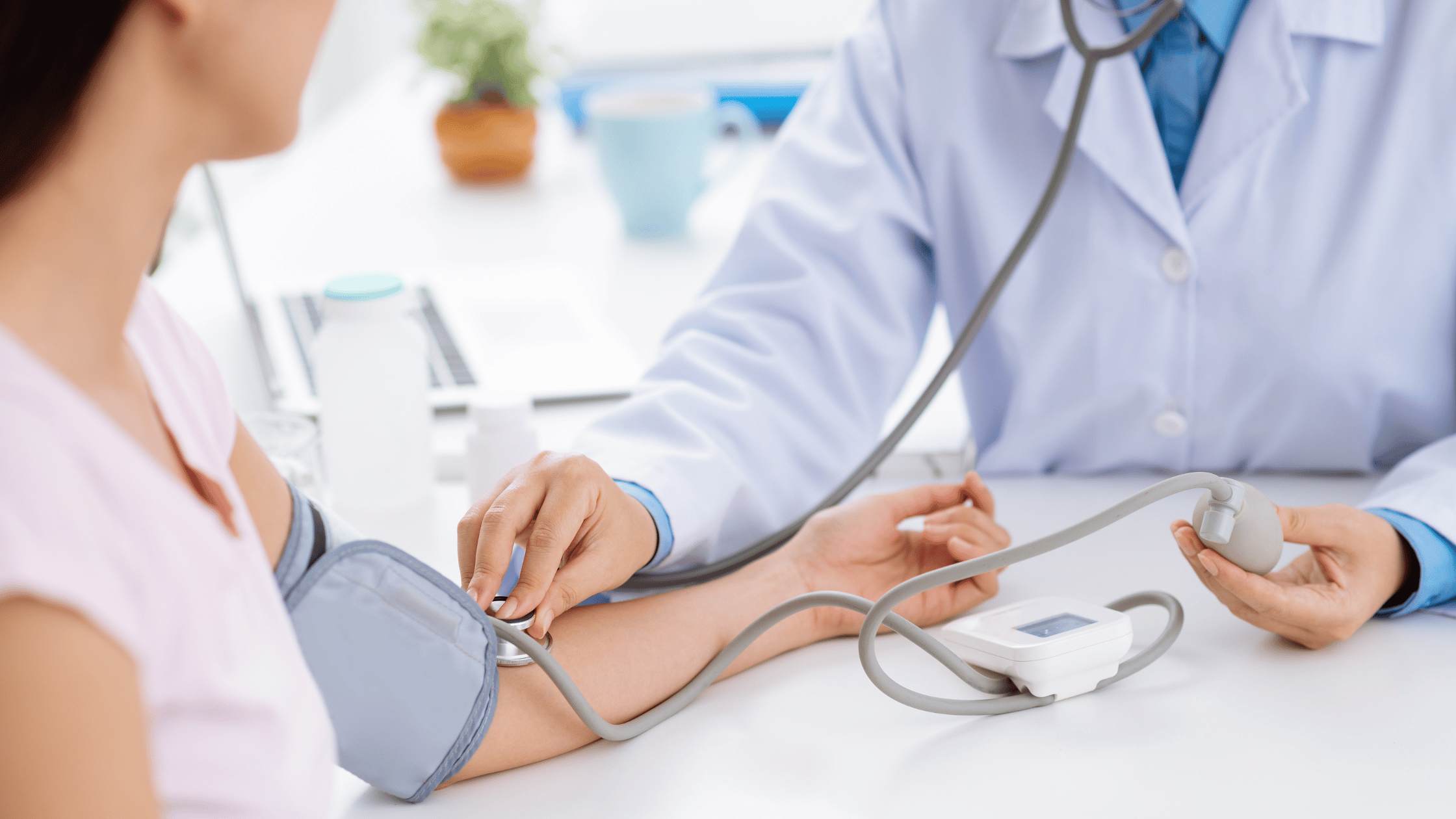
- Vital Signs Check: Blood pressure, pulse, temperature, and respiratory rate
- General Physical Exam: Height, weight, vision, hearing, reflexes
- Blood Tests: Often includes complete blood count (CBC), fasting blood sugar, liver and kidney function
- Urine Test: To check for underlying issues such as infection or drug use
- Chest X-ray: Especially common in Thailand and Asia to screen for tuberculosis (TB)
- ECG (Electrocardiogram): For roles involving high physical stress or for older candidates
- Drug Screening: If the job involves operating vehicles, handling money, or sensitive information
- Color Blindness Test: Especially for roles in design, driving, or electrical work
- Hearing and Vision Tests: Important in manufacturing, logistics, or aviation
Some companies may require specialized tests like psychological evaluations or spirometry (lung function), depending on the position.
How Much Does It Cost? Typical Budget Ranges
Cost Breakdown by Type of Check-Up
The cost of a pre-employment health check depends on:
- The number and type of tests required
- The hospital or clinic performing the exam
- Whether the company covers the cost or expects you to pay first
Here are general cost estimates based on private healthcare facilities in Thailand (2025):
| Type of Exam | Estimated Cost (THB) |
|---|---|
| Basic check-up (vitals, urine, CBC, vision) | 300–600 THB |
| Standard employment package (CBC, urine, X-ray, vision, ECG) | 800–1,200 THB |
| Executive-level or industry-specific (including ECG, drug test, liver/kidney function) | 1,500–2,500 THB |
| Additional psychological or specialty tests | 1,000–3,000+ THB (if required) |
Tip: Government hospitals usually offer lower rates than private hospitals, but wait times may be longer.
Some companies will specify a hospital and even have a partner clinic with fixed prices or direct billing. Others may simply give you a checklist and let you choose where to go.
Who Pays for the Medical Exam?
Employer vs. Employee Responsibility
- Company-paid (directly or reimbursement): In many corporate or government jobs, the employer will either pay upfront or reimburse you once you submit a receipt.
- Employee-paid: Some employers expect the candidate to handle the cost as part of the application process.
- Partial support: A few companies may cover only the basic costs and ask you to pay for any optional add-ons.
Always clarify this before booking your appointment. If the company requires a specific format or hospital, confirm whether they have a partnership or preferred pricing.
Where to Get a Pre-Employment Health Check in Thailand
Popular Options in Bangkok and Major Cities
You can get a pre-employment check-up at:
- Private hospitals (e.g., Bangkok Hospital, Bumrungrad, Samitivej) – Higher price, fast service
- Public/government hospitals (e.g., Rajavithi, Siriraj) – Affordable, longer wait
- Health check-up centers (e.g., BDMS Wellness Clinic, Check-Up Express)
- Company-partnered clinics – Often listed in the job offer or onboarding email
Call ahead or check online to confirm pricing and appointment requirements.
Some hospitals offer “Employment Health Check Packages” specifically designed to meet general company requirements.
What to Bring and How to Prepare
Tips Before Your Check-Up
To ensure a smooth process:
- Bring your ID card and job offer letter (some hospitals require proof of employment)
- Get a good night’s sleep and avoid alcohol 24 hours before
- Fast for 8–10 hours if blood sugar or cholesterol tests are included
- Wear comfortable clothing for physical examination
- Bring cash or card in case payment is needed upfront
- Request a stamped report (some companies need an official doctor signature or hospital letterhead)
Ask your HR contact if there’s a specific form or format your report should follow.
How Long Does It Take to Get Results?
Turnaround Time
- Basic health reports: Often available the same day or within 1 business day
- X-ray or blood work results: May take 1–3 days depending on hospital
- Full report with all attachments: Usually ready in 2–5 working days
Make sure to allow enough time before your start date to complete the exam and return the report.
What Happens If a Problem Is Found?
Don’t Panic—Here’s What to Expect
If the medical exam uncovers a health issue, the outcome depends on:
- The nature and severity of the condition
- The job’s physical demands
- The company’s internal policy
In most cases:
- Minor issues (e.g., high cholesterol, mild anemia) won’t affect your offer
- If a serious concern arises, you may be asked to get further evaluation or clearance
- In some industries (aviation, transportation, etc.), stricter fitness standards apply
It’s best to be transparent with HR if you’re undergoing treatment or managing a known condition.
Conclusion
A pre-employment health check may feel like a formality, but it’s actually a valuable opportunity—for both you and the employer—to start the work relationship on solid ground. It ensures you’re physically ready for the role and gives the company peace of mind about your wellness.
Budget-wise, most routine checks cost between 800–1,500 THB, depending on the scope and provider. The best approach is to clarify the requirements early, choose a reputable hospital, and prepare both physically and financially for the exam.