
Introduction
Aging is a natural process that brings with it changes in the body, mind, and social environment. For many elderly individuals, these changes can lead to reduced mobility, increased isolation, and a decline in overall mood. But it doesn’t have to be that way. Across the world, weekly senior care programs are transforming lives by offering structured rehabilitative activities in a warm, welcoming environment.
Weekly care centers for seniors are more than just places for medical check-ups—they are vibrant spaces of connection, movement, and purpose. With the right approach, these centers not only support physical rehabilitation but also nurture joy, self-worth, and mental well-being. This article explores how weekly elderly care, especially programs infused with therapeutic activities and social interaction, can help seniors feel happier, stronger, and more connected every day.
Creating a Rhythm of Wellness
Why Weekly Care Works
Consistency is key to physical and mental rehabilitation. Weekly visits to a care center give seniors a predictable structure, which is especially helpful for those dealing with cognitive decline, depression, or feelings of loneliness.
Benefits of a weekly care schedule include:
- A regular chance to move and stretch safely
- Weekly social interaction that breaks isolation
- Continuity in health monitoring and physical therapy
- A rhythm that brings purpose to the week
This steady rhythm builds not just routines, but relationships and resilience. Seniors often begin to look forward to their visits, knowing they will be welcomed, engaged, and encouraged.
The Power of Rehabilitative Activities
Movement That Makes a Difference
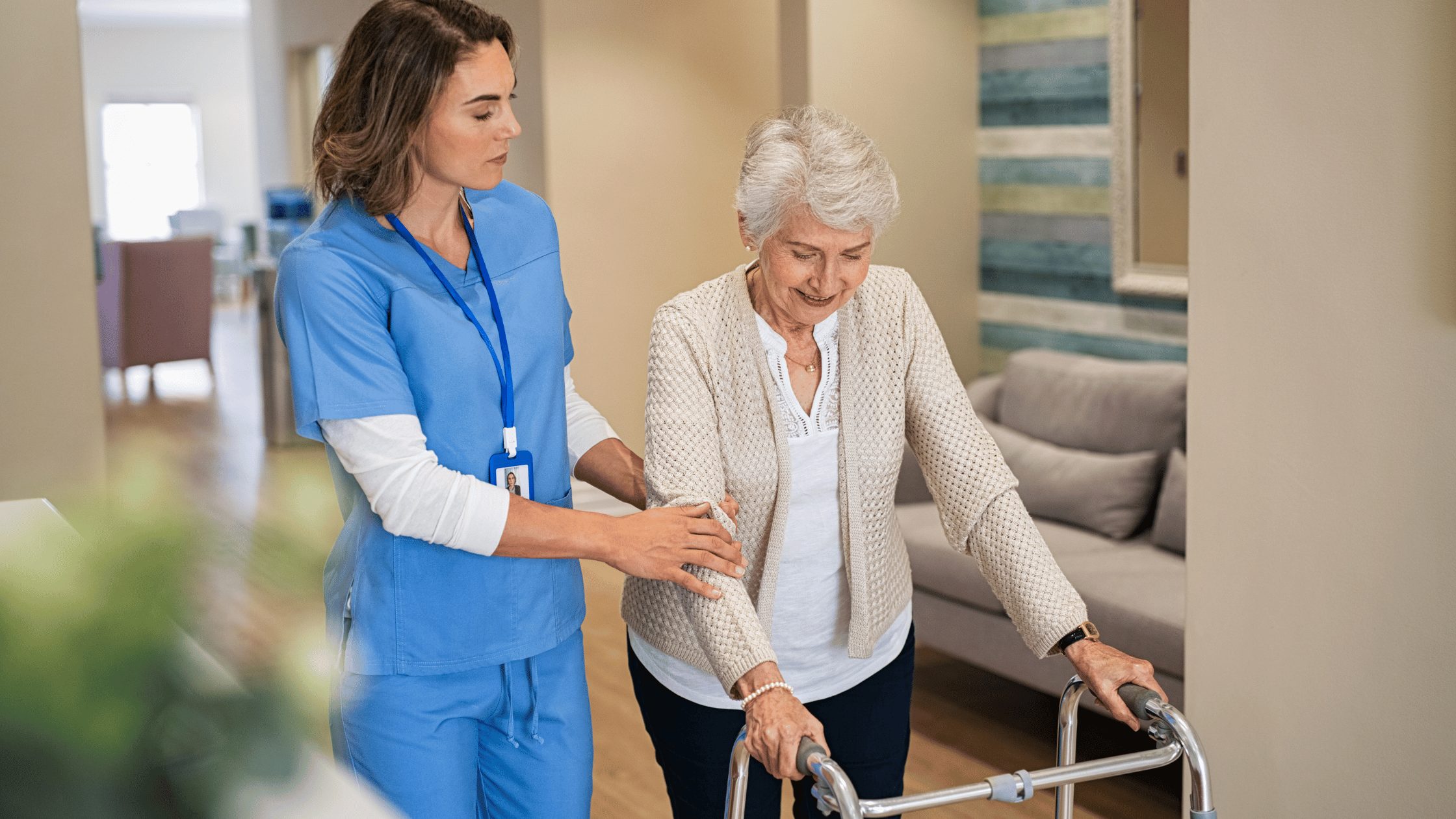
Many seniors experience reduced mobility due to arthritis, stroke, falls, or general aging. Weekly programs focus on gentle rehabilitative activities designed to rebuild strength, improve balance, and support independence.
Typical physical activities include:
- Chair yoga or stretching
- Walking therapy
- Balance and coordination exercises
- Light resistance training
- Music and movement sessions
- Aquatic therapy (where available)
These aren’t just workouts—they’re confidence boosters. Even small gains in mobility, like walking more steadily or getting up from a chair without help, can drastically improve quality of life.
Case example: A weekly program helped one 78-year-old man regain the ability to walk to the market with a cane—something he hadn’t done in two years.
Mental and Emotional Uplift
The Role of Joy in Recovery
Physical health is deeply intertwined with emotional well-being. Weekly senior centers recognize this by integrating activities that spark joy, memory, and social connection.
Engagement-focused activities include:
- Art therapy (painting, drawing, crafts)
- Music sessions (sing-alongs, instrument play, music therapy)
- Group games (bingo, memory games, puzzles)
- Gardening and outdoor walks
- Pet therapy or visits from therapy animals
- Reminiscence circles or storytelling
These interactions do more than entertain—they stimulate neuroplasticity, reduce symptoms of depression, and foster a sense of belonging. For many seniors, especially those living alone or with limited family support, these moments of joy are emotionally rejuvenating.
A Focus on Individual Needs
Personalized Care Plans
Every senior has unique needs. Effective weekly care programs begin with a thorough assessment—looking at physical abilities, medical history, emotional needs, and personal interests. This enables staff to create individualized rehabilitation plans.
Features of tailored care:
- Custom exercise plans based on ability
- Dietary and hydration monitoring
- Emotional wellness check-ins
- Support for chronic conditions (e.g., Parkinson’s, diabetes, post-stroke care)
Programs that listen and adapt help seniors feel seen and respected, which in turn improves cooperation and motivation.
Trained Staff with a Human Touch
Rehabilitation with Heart
A key reason weekly care centers are so effective is the dedication of the multidisciplinary teams—including physical therapists, occupational therapists, geriatric nurses, activity coordinators, and counselors.
But beyond qualifications, it’s the attitude that matters. Smiles, encouragement, patience, and empathy are what make the difference between routine care and transformative care.
When seniors feel emotionally safe, they:
- Engage more in activities
- Share their concerns and needs
- Build trust that fuels long-term progress
This human connection transforms each session from clinical treatment into an experience of care and joy.
Family Support and Peace of Mind
Caring Beyond the Center
Weekly care programs don’t just support seniors—they also provide relief and guidance for families. Knowing their loved one is receiving professional attention allows caregivers to rest or work without guilt.
Centers often keep families informed through:
- Monthly progress updates
- Photos or videos of activity participation
- Educational resources about aging and caregiving
- Family support groups or counseling sessions
This collaborative approach ensures that care extends beyond the center—into homes, hearts, and everyday routines.
Affordable, Flexible, and Accessible
Why Weekly Care Makes Sense
Many families hesitate to commit to daily eldercare services due to cost or scheduling. Weekly centers offer a flexible middle ground—providing meaningful care without overwhelming logistics.
Advantages include:
- Lower cost than full-time care
- Flexible hours (half-day or full-day sessions)
- Accessible for transportation services
- Option to increase frequency if needed
This makes weekly care an ideal stepping stone—whether for post-hospital recovery, gradual independence training, or long-term aging-in-place plans.
Conclusion
Aging should not mean decline—it should mean evolution, rediscovery, and continued joy. Weekly senior care programs are proving that with the right support, structure, and spirit, older adults can regain strength, reconnect socially, and rebuild emotional resilience.
Through gentle rehabilitation, meaningful activities, and compassionate staff, these programs help seniors smile a little more, walk a little steadier, and feel a little brighter every day. The combination of physical improvement and emotional uplift is what makes weekly senior care such a powerful tool for healthy aging.
For families seeking a way to keep their loved ones engaged, supported, and smiling, a weekly elderly care center could be the best first step on a journey toward wellness—one week at a time.